
Questions to Ask a Home Builder Before You Build
Questions to Ask a Home Builder Before You Build
Building a new home is a big decision, and there are plenty of questions that can come up along the way. Whether you’re choosing a builder, figuring out your floor plan, or getting closer to signing a contract, knowing what to ask can help you better understand what to expect. Asking the right questions early can also make it easier to communicate with your builder and feel more confident as you move through the home building process.

What Should I Look For in a Home Builder?
Many home builders have been building for a long time and have accumulated some level of reputation along the way. A newer builder might not have much information on their record, but that doesn’t necessarily mean they should be avoided. Just as well, an established builder may have a history of unsatisfied customers or have shown themselves to be less reliable or helpful. These are some of the things to consider when learning how to choose a home builder. Looking over a builder’s history, and specifically their completed work, can give a new buyer incredible insight into what they can expect. Learning more about a builder and their history can also help give prospective buyers a better understanding of who they are choosing to work with.
Another excellent place to start is the builder’s local reputation and the reviews left by those closest to and part of the communities they work in. Previous and current homeowners can be a great source of information, and their testimonials can provide valuable insight into what you might expect throughout the building process. Some builders have a more established presence within their local communities, making this kind of information easier to find.
For custom home builders, the available customizations can also tell you a lot about what they are capable of offering. Looking over their showcases and completed homes allows you to see what their work looks like up close. Asking your builder about the materials, finishes, and construction standards they use is also an excellent way to familiarize yourself with what is possible and what you can expect from your home.
Perhaps most importantly, a good home builder is one that you can openly communicate with and that is willing to provide clear answers to your questions. The more confident you are in the answers they provide, the more comfortable you will feel throughout the entire process. It’s best for both the buyer and the builder to make an effort to clearly communicate what is expected of each party, as well as what the buyer can expect throughout construction. This can also include understanding what warranty coverage is available for your new home and how questions or concerns are handled after construction is complete.
About the Home Building Process
A great opening question for your prospective builder is to ask them to explain their process to you. Each builder may structure their experience differently, so it’s good to know exactly what they foresee at each stage, even if you’re already fairly familiar with the home building process in general. Major stages are usually outlined first, and each point can then bring its own questions, explanations, and decisions. Being in good contact with your builder and knowing who you’ll be most in contact with throughout the process is key. Whenever you as a buyer need to make a decision or have questions about your options or the current stage of construction, you’ll need to know who to reach out to in order to keep things running smoothly on both ends. You can also learn more about the home building process to get a better idea of what to expect.
Throughout the different stages, there will also be responsibilities that fall on the buyer. Big decisions involving your floor plan, lot, and home selections require you to be a pivotal part of the process. A builder can’t move forward with certain aspects of construction until they know what you want in your home, which means that at many different steps, you’ll need to review and double-check decisions with them. Things like inspections, walkthroughs, financing, and closing can also be important moments that require communication between the buyer, builder, lender, and other professionals involved in the process. Knowing who is responsible for each step can help prevent confusion as your new home takes shape.
Questions to Ask Your Builder
- Who will be my primary contact?
- How often will I receive updates?
- How will changes or questions be communicated?
- Who should I contact if something unexpected comes up?
- What do you need from me at this point in the process?
- What are the most important deadlines?
- When will I need to finalize each decision?
- What should I expect during each stage of construction?
These questions can help pave the way for a smoother and more effective experience as you navigate your custom home build. Understanding what is expected of you, what your builder will handle, and when important decisions need to be made can make the entire process easier to follow.
If all goes well and you’ve gone through the process diligently alongside your builder, you’ll eventually move on to the final steps. These can include addressing outstanding items, completing the closing process, and finally receiving the keys to your new home.
Home Plans and Customization
One of the most important decisions when you customize your new home is choosing a floor plan that’s right for you. Your floor plan will influence many of the biggest decisions about your home, including its overall size, number of bedrooms, arrangement of major rooms, storage, and other details. It’s best to keep both your current and future needs in mind at this point, asking yourself and your builder what would fit your needs best.

From there, you can begin asking exactly what can be customized within your new home. The options available can vary from builder to builder, so it’s good to ask upfront about certain customizations if you already know what you want or simply wish to become familiar with what they provide.
- Can I modify the floor plan?
- What structural changes are available?
- Which rooms or features can be changed?
- What finishes can I select?
- Can I choose cabinets, countertops, flooring, fixtures, and other details?
- Are there limitations on customization?
Knowing the answers to these questions, especially when they relate to your specific needs, can be instrumental in understanding what your builder can offer and helping you establish exactly what you need as a buyer. This can be particularly important when considering custom home plans or other aspects of your home’s design.
There is also a difference between an upgrade and a customization choice. Some selections may offer a different or higher-end version of a product, while others may use materials or features that are more efficient, durable, or visually appealing. Choices like these can come with increased costs or other tradeoffs that may prove valuable depending on your needs. Communicating clearly with your builder about each decision can help you understand those costs before making your selections and avoid unexpected expenses where possible. Always keep your own vision for your new home in mind when considering these options, as each decision will help determine the final product.
Lot, Location, and Construction Timeline
Outside of the home itself and all the interesting choices you’ll make along the way, one of the biggest decisions is where you’ll build your home. Where you choose to build affects the community you become a part of, as well as your distance from work, school, shopping, emergency services, and other places you visit regularly. Along with choosing a location, you may also need to choose a specific lot from the builder’s available selection. Some important questions to ask at this point include:
- What lots are currently available?
- Are there any additional costs or lot premiums?
- Are utilities already available?
- Is there an HOA or any community requirements?
- Does the lot require additional preparation?
- What is the surrounding community like?
- Are there plans for future development?
These are some of the things to consider when building a house, particularly if you’re comparing multiple lots or communities. Understanding what comes with each available lot can help you determine which one fits your needs and budget.
Once you understand where your home will be built, the next thing to understand is when you can expect it to be finished. So, how long does it take to build a house? Depending on the builder, lot, home design, selections, and other circumstances, the timeline can shift in either direction. Ask your builder what they currently expect for your home and what factors could affect that estimate. A construction timeline can also help you understand the major stages of the process and when you can expect them to occur.
Understanding both your lot and your expected construction timeline gives you a clearer picture of what you’re committing to before construction begins.
Construction Quality, Inspections & Home Features
When it comes to the actual features, plans, and home building process, there are a handful of good questions to ask along the way. While choosing features and getting an understanding of how your builder actually builds, you can ask things like:
- What construction standards do you follow?
- Which materials do you use?
- Are there particular materials or features that are standard in your homes?
- What inspections take place during construction?
- Who performs these inspections?
- How are construction issues identified and corrected?
- Are independent inspections permitted?
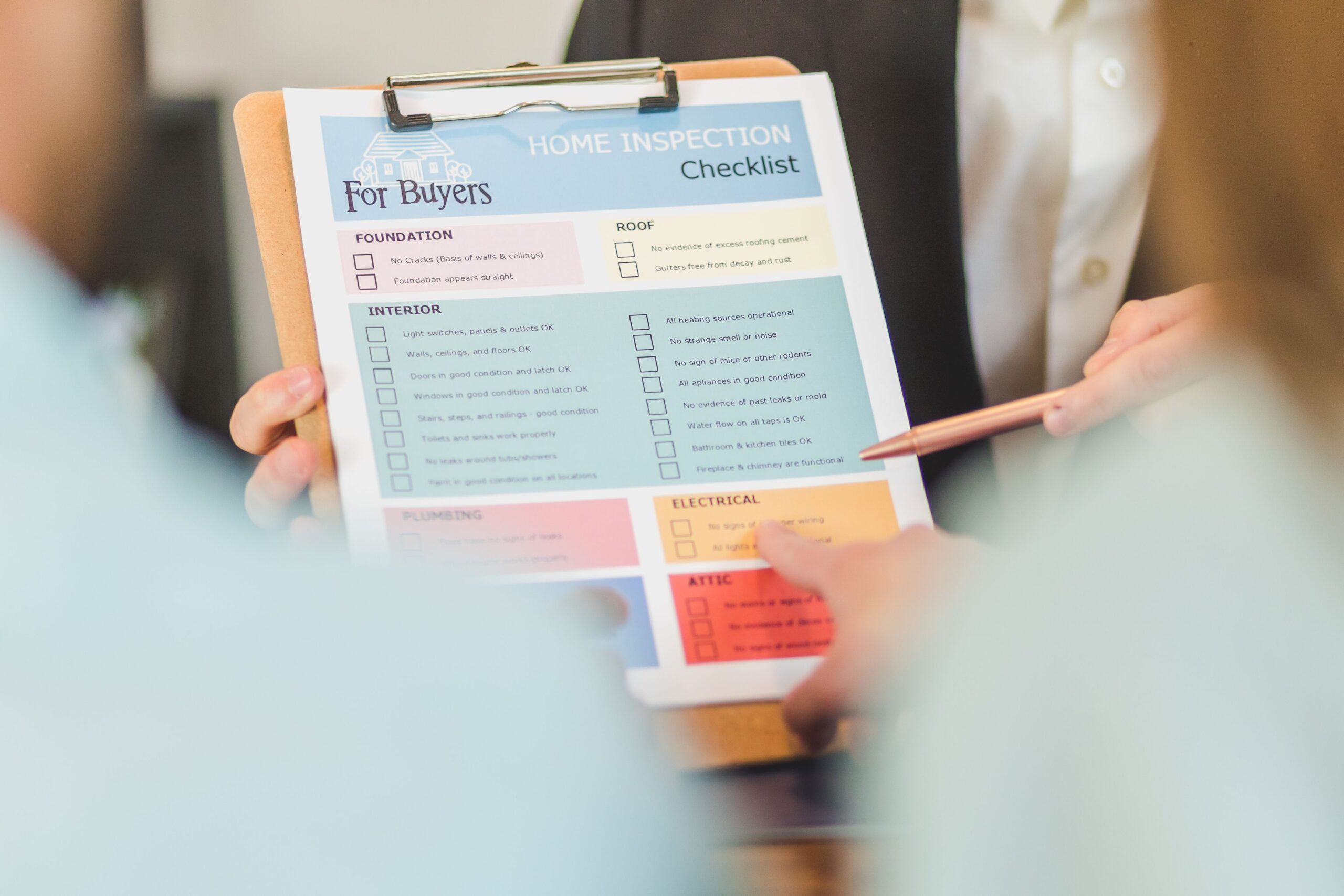
Although you might be able to witness some parts of the construction process, much of the work will take place without requiring your presence. The moments that will typically need your direct input include walkthroughs. These give the buyer an opportunity to review the current progress of the home and make sure everything appears appropriate for that stage of construction. A final walkthrough can provide one last opportunity to identify items that may need attention before closing. Understanding when these moments happen and what is expected of you can be an important part of the process. Some useful questions for your builder include:
- Can I have an independent inspection?
- When will inspections take place?
- Will I have more than just a final walkthrough?
- What happens if an issue is discovered during a walkthrough or inspection?
- How are outstanding items handled before closing?
A new construction home inspection can also be something a buyer may want to discuss with their builder, particularly if they are considering an independent inspection. The exact inspection process can vary, so it is important to understand what the builder handles and what you may want to arrange separately.

During these inspections and walkthroughs, it’s also wise to ask questions about features that matter to you personally. Things like energy efficiency, the HVAC system, insulation, lighting, and appliances can all be worth understanding as you make decisions about your home. Some questions to ask could be:
- What energy-efficiency features are included?
- What type of insulation is used?
- What kind of windows are included or available?
- What HVAC systems are available for the home?
- Are energy-efficient appliances or fixtures available?
- Are additional energy-efficient home upgrades available?
While you’ll make and choose many of the options that eventually become your new home, there are still plenty of smaller questions and details that can affect the overall outcome of a build. That’s why it’s always important to maintain good communication with your builder. Knowing your own needs and priorities will also make these questions feel more natural and meaningful, helping you understand which features and construction details matter most to you.
Understanding Your Contract, Costs & Warranty
The best advice would always be to fully understand what you are signing before you sign it. You need to both agree with and know exactly what you’re accepting, and this could include things like the purchase price, what’s included, and what’s optional. Knowing your own responsibilities as the buyer is just as important as knowing your builder’s responsibilities. Important deadlines are vital throughout the home building process, and you should be aware of each of them until they pass. If there are changes to the agreement, cancellations, or circumstances that affect the process, you should have some idea of what will take place next rather than feeling left in the dark. That’s why it’s always best to ask pertinent questions of your builder, other professionals, and yourself throughout the process.
- What exactly is included in the purchase price?
- What isn’t included?
- Can the price change after signing?
- What happens if I want to make a change?
- What are my responsibilities?
- What are the builder’s responsibilities?
- What deadlines should I be aware of?
While the starting or listed price of a home can be a certain amount, keep in mind that costs can change as you make selections and decisions about your future home. Lot costs, upgrades, and optional features can all affect the amount you ultimately pay, while other expenses such as closing costs, financing costs, HOA fees, and other buyer expenses can also add to the overall cost of purchasing the home. Financing a new construction home will generally involve working with a lender, so it’s good to understand when financing needs to be arranged and what, if anything, your builder provides or requires as part of the process.
Before you start the closing process, there are a few important questions that can be good to ask:
- What is the expected total purchase price?
- What additional costs should I plan for?
- When will I need financing?
- When does the lender need to be involved?
- What costs should I expect at closing?
- Are there any builder-specific requirements for financing?
Then you’ll be set for finally moving toward closing itself and one step closer to owning your new home. When the final paperwork is completed and ownership transfers to the buyer, it’s important to have looked over and understood the new construction home warranty. It is highly advisable to read the warranty carefully and ask questions about it directly with the builder. Important areas to cover would be:
- When is closing expected?
- What documents will I need?
- When will I receive the keys?
- What warranty is included?
- How long does coverage last?
- What does the warranty cover?
- What specifically isn’t covered by the warranty?
- Who do I contact if something needs attention?
- What happens if there are outstanding items?
- What happens if I find an issue after moving in?
Understanding when you will be closing on a new construction home and what needs to happen beforehand can help you prepare for the transition into your new home. Your builder and other professionals involved in the transaction should be able to explain what is expected of you before closing and what happens if there are outstanding items.
If you feel comfortable with all of this and the home building stages have advanced enough to reach this point, one final set of thoughts and questions to pose to yourself would be the most prominent and important ones:
- Do I understand the total price?
- Do I understand what is and isn’t included?
- Do I understand my responsibilities?
- Do I understand the construction timeline?
- Do I understand the change process?
- Do I understand the financing and closing process?
- Do I understand the warranty?
- Is there anything in the contract that I don’t understand?
If you’re unsure about something in the contract, ask before signing rather than assuming you’ll be able to resolve it later.
Home Builder Questions: Quick Checklist
Before you begin building, use this checklist as a quick reference when talking with your builder. You don’t necessarily need to ask everything at once, but these questions can help make sure you’ve covered the major parts of the process.
Builder & Process
☐ What is your home building process?
☐ Who will be my primary contact?
☐ How often will I receive updates?
☐ What are my responsibilities throughout the process?
☐ What are the important deadlines?
Home Plans & Customization
☐ Can I modify the floor plan?
☐ What can I customize?
☐ Which selections are included in the base price?
☐ What upgrades are available?
☐ When do I need to finalize my selections?
Lot & Construction
☐ What lots are available?
☐ Are there additional lot costs or premiums?
☐ Does the lot require additional preparation?
☐ How long does construction typically take?
☐ What could affect the construction timeline?
Quality & Features
☐ What construction standards do you follow?
☐ What inspections take place?
☐ Are independent inspections permitted?
☐ What energy-efficiency features are included?
☐ What happens if an issue is discovered during construction or a walkthrough?
Contract, Costs, Closing & Warranty
☐ What exactly is included in the purchase price?
☐ What additional costs should I expect?
☐ Can the price change after signing?
☐ What are my financing and closing responsibilities?
☐ What warranty is included?
☐ What does the warranty cover?
☐ Who do I contact after moving in if something needs attention?
You don’t need to know everything before meeting with a builder. What matters most is knowing what you don’t know, asking questions when you’re unsure, and making sure you understand the answers before moving forward.