
Garage and Storage Ideas for Idaho Homeowners
Garage and Storage Ideas for Idaho Homeowners
Making storage work for your home can play a huge role in how you choose a new home or make your current one more manageable. For homeowners in Twin Falls and throughout the Magic Valley, garage storage ideas and other home storage solutions can help make the most of the space available. Different homes offer unique storage opportunities across garages, closets, utility rooms, and dedicated storage spaces. Good home storage ideas can help you decide where to keep belongings based on frequency of use, time of year, size, and overall convenience. If a new home is in your future, it’s especially important to consider how your floor plan could influence your storage options.
Practical storage solutions start with understanding your lifestyle. Outdoor activities may require space for larger equipment, while crafts and home projects benefit from organized, easily accessible storage. Idaho’s changing seasons add another consideration, especially when storing winter gear and summer recreational equipment. Whether you’re a craftsman who needs an organized garage or a nature enthusiast storing kayaks, bikes, and hiking backpacks, there are plenty of ways to make your space more functional.
Garage Storage Ideas and Organization Solutions
The garage is often one of the largest storage spaces in a home, making it a great place to protect a classic car from the weather or store outdoor equipment. How you organize that space can make everyday life much easier.
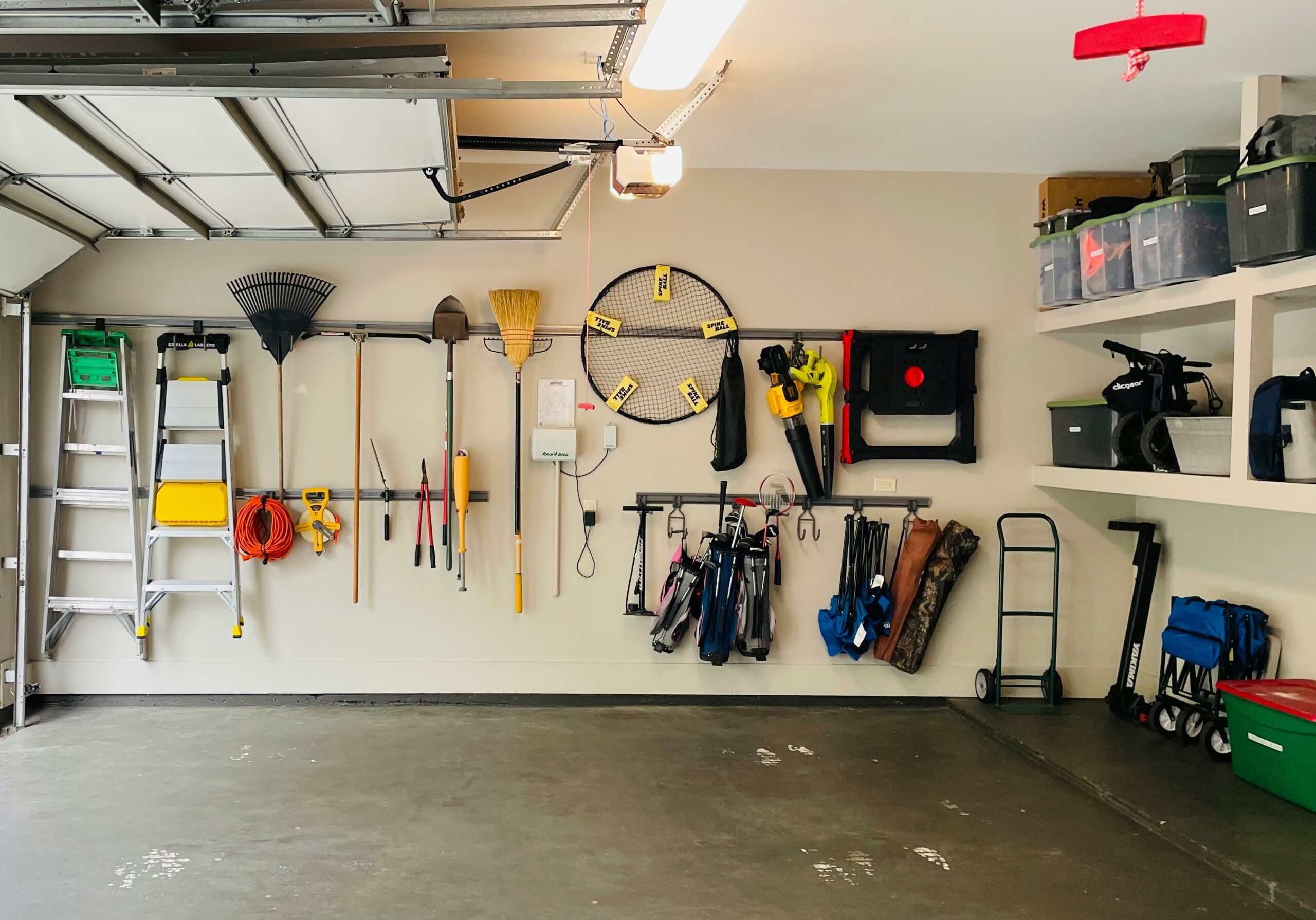
Organizing Your Garage Around Its Uses
Before investing in garage storage solutions, think about what activities your garage needs to accommodate. The three main considerations are your vehicles and whether they need to be parked inside, any space you want for a workshop or larger tools, and the storage needs of recreational activities or household equipment.
One good way to manage several different uses is through garage zoning. This means dividing the available space into areas dedicated to specific purposes. For example, you might reserve the central area for parking your car, leaving enough room to open its doors and move around it. From there, one wall could hold tools or a workbench, while another accommodates recreational equipment. Upper shelving or overhead storage could be reserved for belongings you use less frequently. If you’re considering a new home, choosing a floor plan that accommodates your vehicles and storage needs can make organizing your garage easier from the start.
Storage Features To Compare When Choosing A Floor Plan
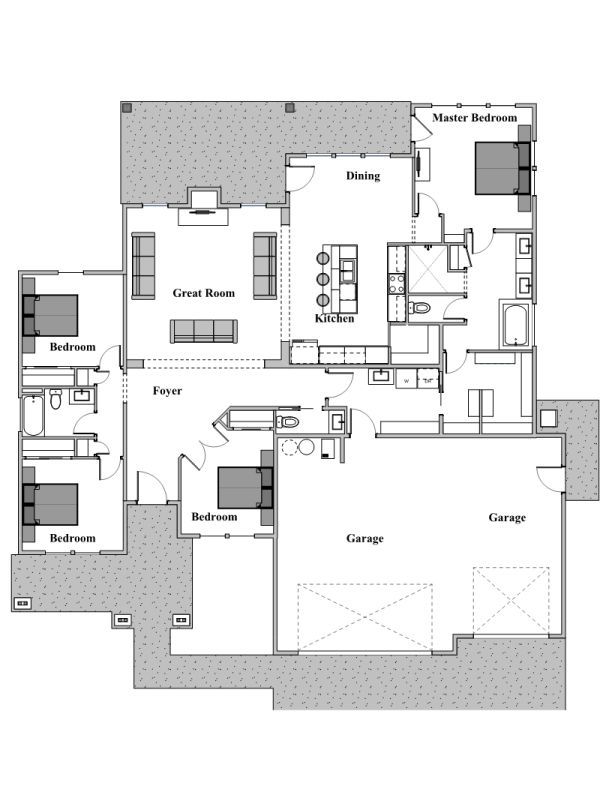
When comparing home floor plans, look beyond the number of bedrooms and consider where everyday belongings will go. Use this checklist to evaluate how well a layout supports your storage needs:
- Garage Space: Will your vehicles fit comfortably while leaving room for shelving, tools, bikes, and seasonal equipment? Consider door clearance and walking space after storage is added.
- Kitchen And Pantry Storage: Is there enough cabinet and pantry space for groceries, small appliances, and cookware? Confirm which storage features are included in the plan.
- Bedroom And Hallway Closets: Check the location and layout of closets, including space for linens, towels, cleaning supplies, and items used less frequently.
- Laundry Room Storage: Is there room for cabinets or shelving around the washer and dryer without blocking access or workspace?
- Garage Entry Organization: Could the entry accommodate hooks, a shoe organizer, or a small bench while keeping the walkway clear? In the floor plan shown, the laundry area sits near the garage entrance, a useful location to evaluate for everyday organization.
- Seasonal Storage: Identify where holiday decorations, camping supplies, and winter gear could go. Keep frequently used belongings accessible and confirm suitable indoor storage for temperature-sensitive items.
Ask which cabinets, shelves, and organizers are included and which would require optional upgrades or installation after move-in.
Garage Shelving, Cabinets, and Overhead Storage
How often you need an item can help determine where to store it. Daily-use tools should be easily accessible, while holiday decorations or seasonal equipment can occupy less convenient areas. Depending on your needs, the following garage storage ideas can help make better use of the space:
| Storage Solution | Practical Example | Main Benefit |
|---|---|---|
| Wall Shelving | Shelves holding labeled bins of tools or camping supplies | Keeps floor space available |
| Garage Cabinets | Enclosed cabinets for tools and household supplies | Conceals clutter and offers organized compartments |
| Overhead Storage | Ceiling-mounted racks holding lightweight seasonal decorations | Uses otherwise empty ceiling space |
| Pegboards and Wall Tracks | Hooks holding hand tools, hoses, or gardening equipment | Keeps frequently used items visible and accessible |
| Freestanding Shelving | Metal shelving units for larger storage containers | Offers flexible storage without installing wall shelves |
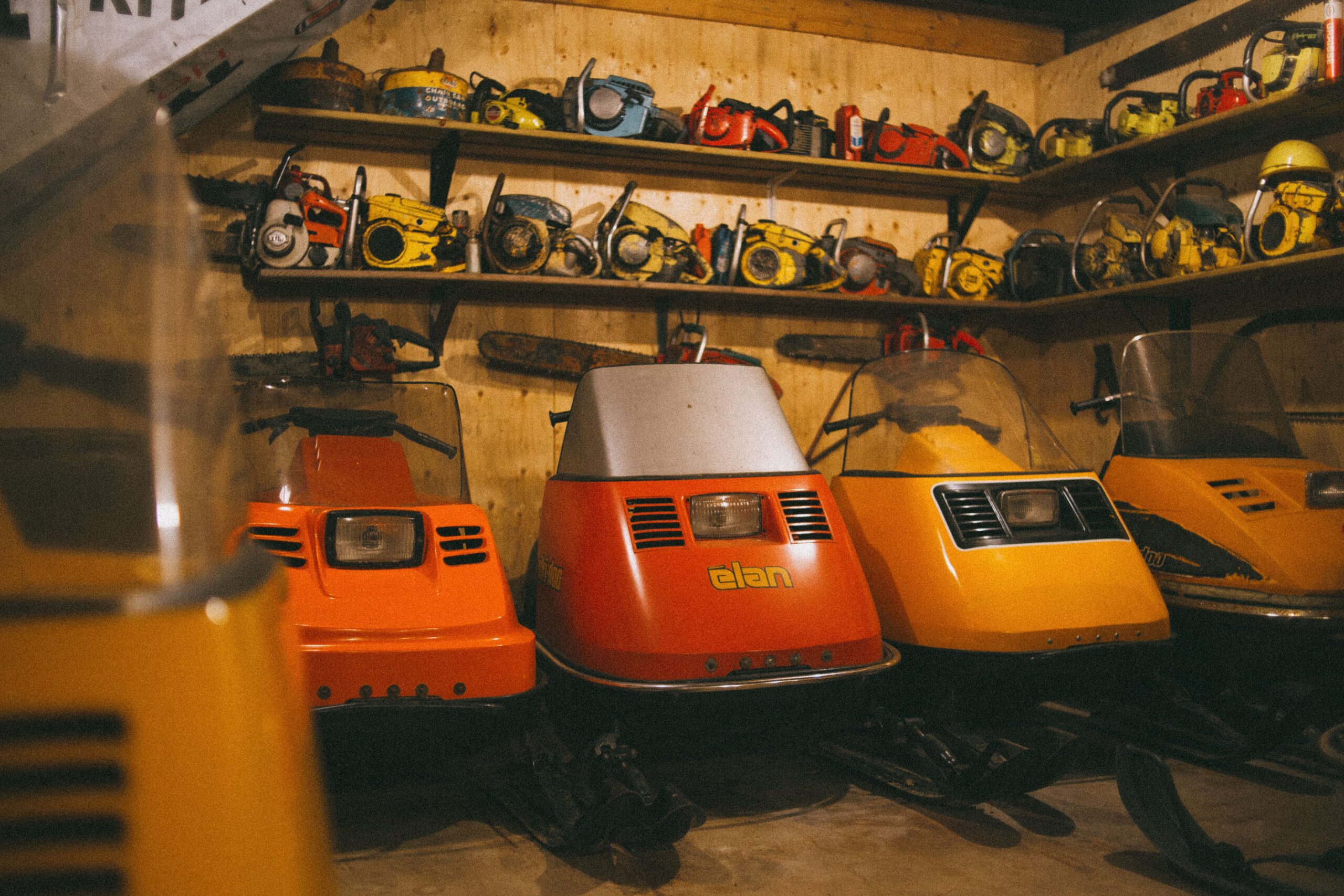
When choosing between these options, consider the size and weight of your belongings, how frequently you’ll need them, and the available space. Wall-mounted and overhead systems should be properly secured to suitable supports and used within their rated weight limits.
Small Garage Storage Ideas
If you’re working with an already full or smaller garage, getting bulky equipment off the floor can make a big difference. Wall-mounted racks for bikes or kayaks can free up room, while fold-down workbenches provide a usable work surface that can be tucked away when not needed.
Stackable storage containers can help make better use of shelving and vertical space, provided they’re stacked securely and within their intended limits. Keep heavier belongings on lower shelves. Vertical tool holders are another useful option, allowing a small section of wall to accommodate rakes, shovels, and other gardening equipment without a complete garage redesign.
In-Home Storage Ideas and Built-In Solutions
Your home is often the centerpiece of your daily life, and how it looks can be just as important as what is tucked away throughout it. Balancing storage needs with decoration and interior design takes some planning, but the right solutions can keep your living spaces organized without sacrificing their appearance.
Practical Storage Ideas for Different Rooms
Homeowners can overlook useful storage spaces inside cabinets, underneath furniture, and along unused walls. Looking at examples of finished home interiors can also provide some inspiration for balancing storage, furniture, and the overall appearance of your living spaces. These home organization solutions can provide extra room without requiring additional square footage:
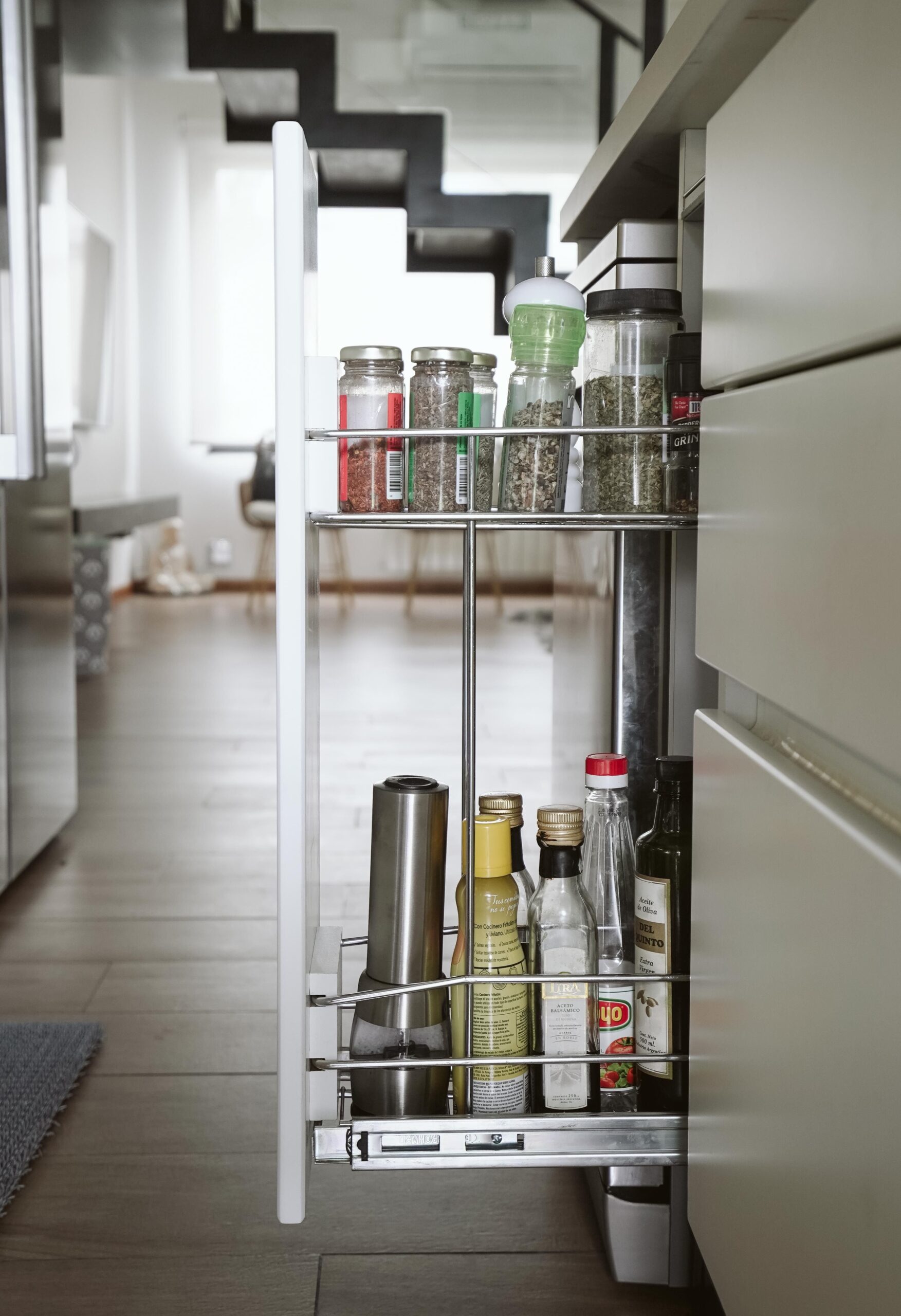
- Kitchens and Pantries: Pantry bins and vertical dividers can help organize food, cookware, and supplies. Additional wall-mounted shelving can use empty space in a pantry, while pull-out cabinet organizers make items at the back easier to reach without removing everything in front.
- Bedrooms and Closets: Installing double hanging rods can create two levels of space for shorter clothes. Closet shelving and compartment organizers help with less frequently used belongings, while under-bed containers provide another option for longer-term storage.
- Living Areas: A storage ottoman can hold games, blankets, and other useful items while serving as furniture. Bookshelves and open shelving are popular for displaying decorations and collectibles, but mixing them with enclosed cabinets keeps less decorative belongings out of sight.
- Laundry and Utility Rooms: Between detergents, fabric cleaners, ironing equipment, and other household supplies, laundry rooms can become overcrowded. Adjustable shelving and appropriately sized cabinets help make use of available space without interfering with everyday tasks. Keep household cleaners in their original containers and hazardous products securely stored out of children’s reach.
Built-In Storage vs. Freestanding Furniture
Whether you’re improving your current home or exploring design possibilities through Wolverton Homes’ Design Center, it’s worth considering built-in storage versus freestanding furniture. A wall of shelving for your personal library, a display for board games or collectibles, or dedicated space for crafting supplies could be approached either way.
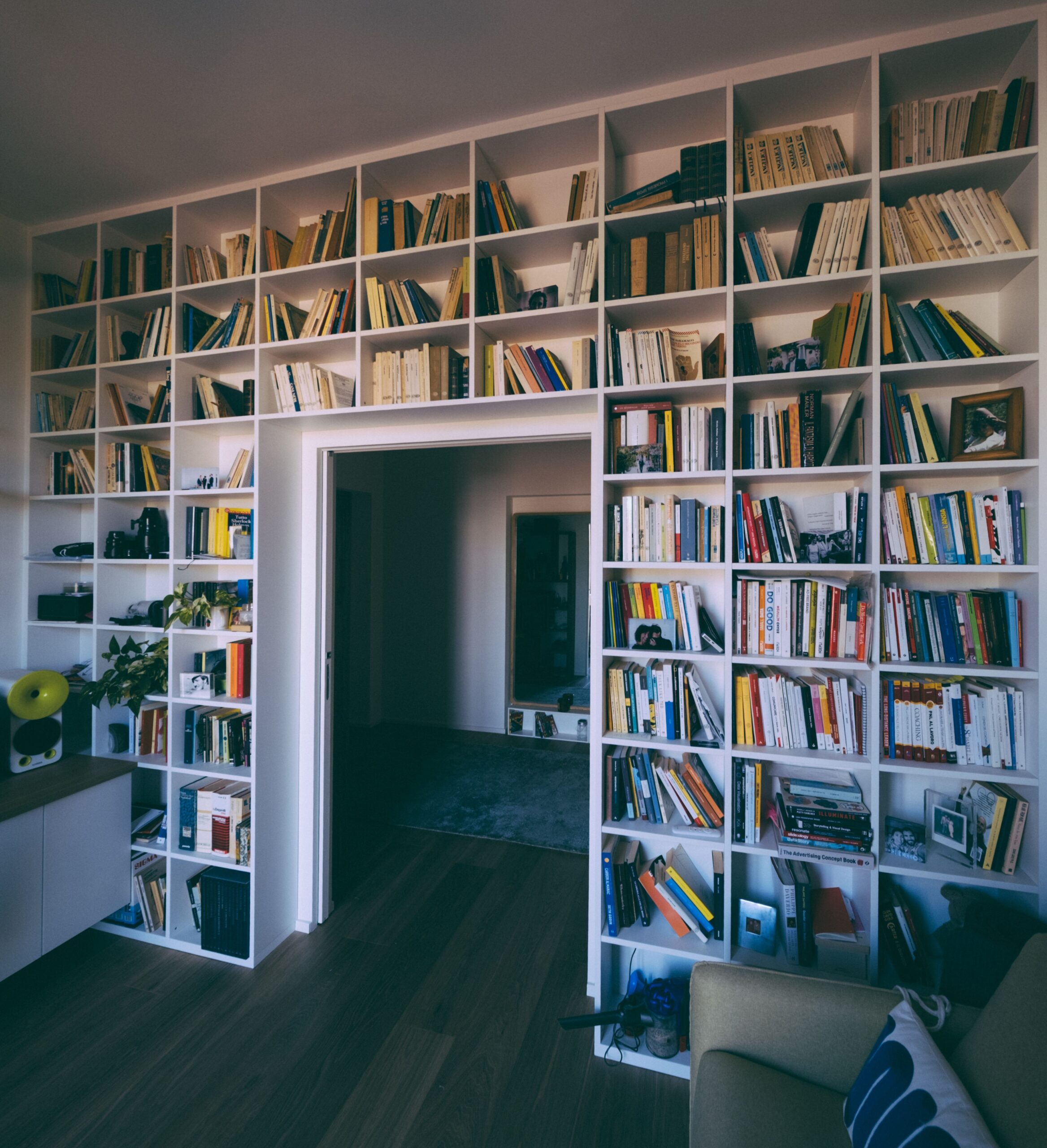
Built-In Storage
- Makes use of specific spaces and dimensions.
- Can complement the home’s overall design.
- May require additional planning, installation, and expense.
- Can be more difficult to relocate or modify.
Freestanding Storage
- Often easier to install, replace, or rearrange.
- Offers flexibility when reorganizing rooms.
- Available in a wide range of styles and budgets.
- May not utilize unusual or awkward spaces as efficiently.
Built-in storage doesn’t necessarily mean remodeling an entire wall. Smaller projects, such as fitted closet organizers, can be just as effective without extensive renovations. Likewise, a freestanding bookshelf or storage cabinet may fit perfectly into an existing space. Taller freestanding furniture should be properly anchored to prevent tipping. Ultimately, the right choice depends on your space, budget, and how you intend to use it.
Mudroom and Entryway Storage Ideas
For Idaho homeowners, outdoor activities and changing weather can sometimes bring a little of the outdoors inside. A mudroom helps keep those spaces separated. Traditionally located near a back door or garage entrance, a mudroom can also be adapted to an entry hallway or another convenient location.
Making the Most of a Mudroom
A mudroom serves as a transitional space between your home and the outdoors, helping prevent dirt, moisture, and clutter from spreading throughout the house. It’s a place to remove muddy boots and wet jackets before entering your main living spaces.
Depending on your household, it can also provide accessible storage for shoes, backpacks, coats, keys, and other everyday belongings. A boot tray can catch melting snow or mud, while wall hooks give damp outerwear a place to dry. If your laundry room is connected to a garage entrance, it might also serve as a practical mudroom, with laundry facilities nearby for cleaning dirty outdoor clothing.
Mudroom Storage Solutions for Any Entryway
If your entryway is the primary way you enter and leave the house, it may be helpful to organize it like a mudroom even without a dedicated room. Common mudroom storage ideas include:
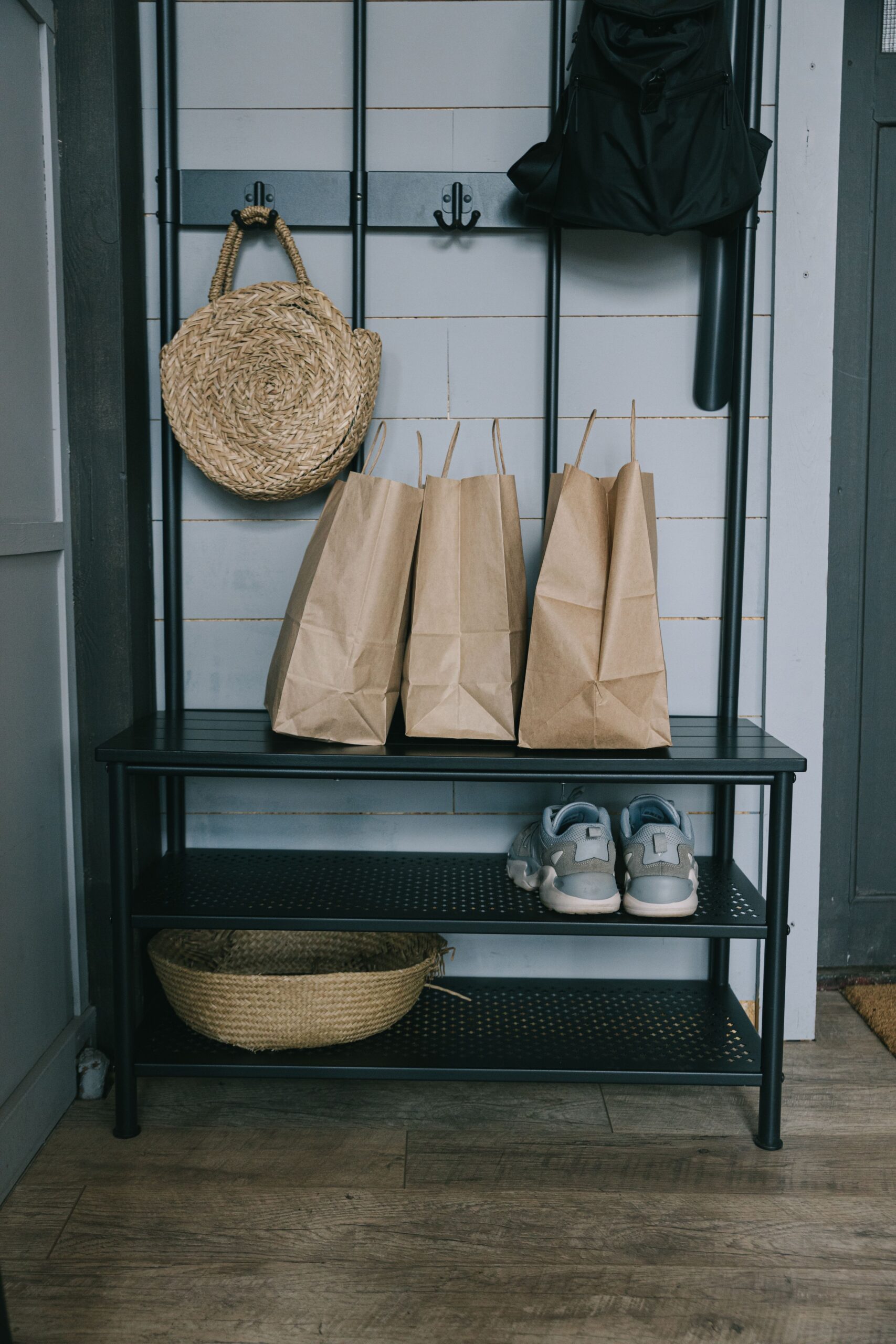
- Storage Benches and Shoe Organizers: Benches offer seating while putting on or removing shoes, along with storage underneath for frequently used belongings.
- Wall Hooks and Coat Racks: These keep jackets, backpacks, and daily essentials accessible. They can also help damp outerwear dry in a well-ventilated area.
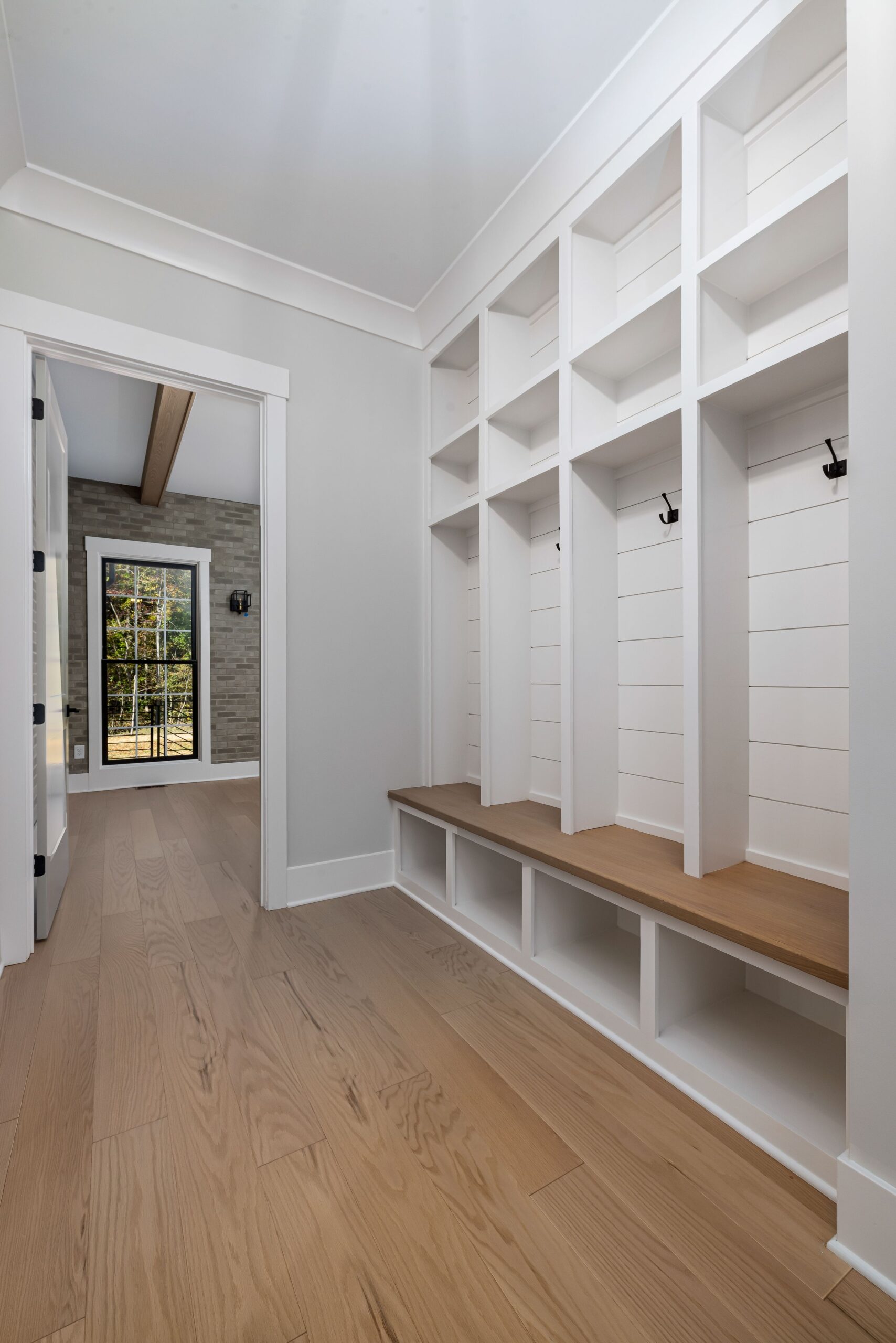
- Cubbies and Storage Baskets: Designated spaces give household members somewhere to keep hats, gloves, umbrellas, and other belongings needed when leaving home.
- Boot Trays and Durable Entryway Mats: These help contain dirt, mud, and melting snow from footwear before it spreads throughout the house.
Even a narrow hallway from the garage may have room for wall hooks or a bench with shoe storage underneath. The goal isn’t necessarily to create an entirely new room, but to make the entrance you use most work better for your household.
Seasonal Storage and Winter Preparation in Idaho
For homeowners in Twin Falls and throughout the Magic Valley, Idaho’s changing seasons and the area’s many outdoor recreation opportunities can bring different storage needs throughout the year. Taking some time to prepare equipment for changing weather can make those seasonal transitions easier while keeping belongings organized and protected.
Organizing Seasonal Equipment and Outdoor Gear
Seasonal storage works best when you consider what you’ll need as the weather changes:
- Spring and Summer: Keep gardening equipment and lawnmowers accessible. Camping supplies, bicycles, kayaks, and other recreational gear can move into other locations.
- Fall: Clean and store equipment that won’t be needed again until spring. This is also a good time to check what winter gear you have and what you may need for the coming cold.
- Winter: Keep snow shovels, ice scrapers, winter clothing, and cold-weather recreational equipment easy to reach so you don’t have to dig through storage on cold mornings.

Wall-mounted bike racks, suitable kayak storage, shelving, and labeled containers can make this seasonal rotation easier. Equipment that’s used less often can move out of the way while the next season’s essentials take its place.
Preparing Storage Areas for Winter Weather
When preparing for winter, consider what equipment you’ll need, how to protect stored belongings from moisture, and whether your garage or other storage space will experience freezing temperatures.
Cleaning and Preparing Winter Equipment
Before storing your remaining summer and fall equipment, bring out the tools you’ll need during winter. Disconnecting and draining garden hoses before freezing temperatures arrive can help prevent damage, while cleaning and drying gardening tools before storage can limit rust and deterioration.
Protecting Belongings from Moisture
Sealed containers can help protect suitable belongings from dust and incidental moisture, but be sure anything placed inside is completely dry. Trapped moisture can encourage mold and mildew, particularly in fabrics and absorbent materials. Addressing leaks and condensation in storage areas is just as important.
Considering Temperature-Sensitive Belongings
Depending on the insulation and heating available in your garage or storage area, some belongings may need a different location during winter. Certain paints, household products, batteries, and other materials can be damaged by freezing temperatures or require specific storage conditions. Always follow manufacturer instructions and appropriate fire-safety guidance.
Common Questions About Seasonal Storage
Q: What belongings shouldn’t be stored in an unheated garage?
Some materials can become damaged or lose their effectiveness after freezing. For example, water-based latex paint can separate or deteriorate when exposed to temperatures below its recommended storage range. Check product instructions rather than assuming an unheated garage is suitable for everything.
Flammable materials require additional care. The U.S. Fire Administration recommends storing gasoline and other flammable products in appropriate storage away from the home. Portable propane cylinders should be stored outdoors, away from ignition sources, rather than inside enclosed garages or sheds.
Q: How can homeowners make seasonal storage easier to manage?
Keep containers clearly labeled, group similar belongings together, and rotate equipment as the seasons change. Placing the next season’s essentials within easy reach can help make the transition smoother without reorganizing your entire storage space.
Making Storage Work for Your Home
Finding the right storage solutions comes down to understanding your space and how you intend to use it. Whether you’re organizing a busy garage, finding new storage opportunities inside your home, or preparing for Idaho’s changing seasons, a little planning can make everyday life easier. Considering these needs when choosing a new home or making changes to your current one can help keep your living spaces practical, comfortable, and organized throughout the year.
Ready to find a home that fits your life and everything that comes with it? Explore our home floor plans to compare garage layouts, closet space, and everyday storage possibilities. Then schedule a consultation with Wolverton Homes to discuss your storage priorities and take the next step toward your new home in the Magic Valley.