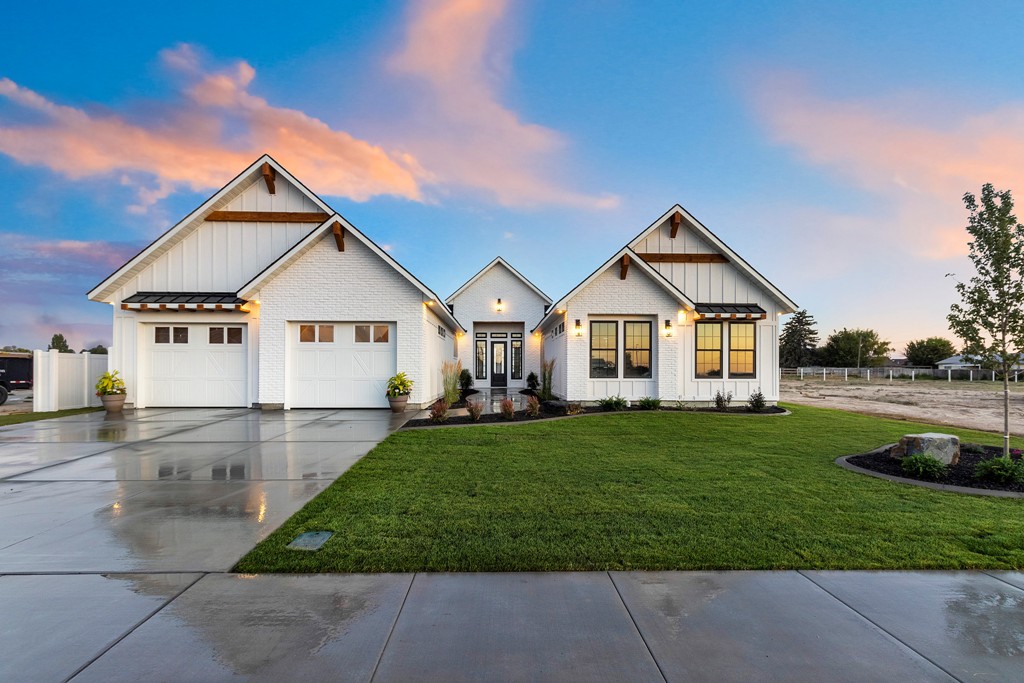
New Construction vs. Existing Home: What Should You Know?
New Construction vs. Existing Home: What Should You Know?
So, you’ve decided to take the first steps into the world of home buying? How exciting! There are several factors to consider when choosing between buying a new construction home and an existing home. Both options come with their own considerations, including upfront costs and budget flexibility, how much you can customize your home, the locations and communities available, as well as potential long-term maintenance, short-term repairs, and energy efficiency. Beyond these more obvious considerations, there are also less apparent factors to think about, such as home warranties, your own circumstances, and what you value most in your future home. Understanding the differences between new construction and existing homes can help you determine which option may fit your needs and priorities.
What Is a New Construction Home?
One of the most common definitions of a new construction home is a home that has never been lived in by another person. This can be something as straightforward as a house that has yet to be built or a home that has already been designed and constructed but has not yet had a buyer move in. “New construction” usually refers to working directly with a builder, often giving buyers the opportunity to select from a range of customizations and available features.
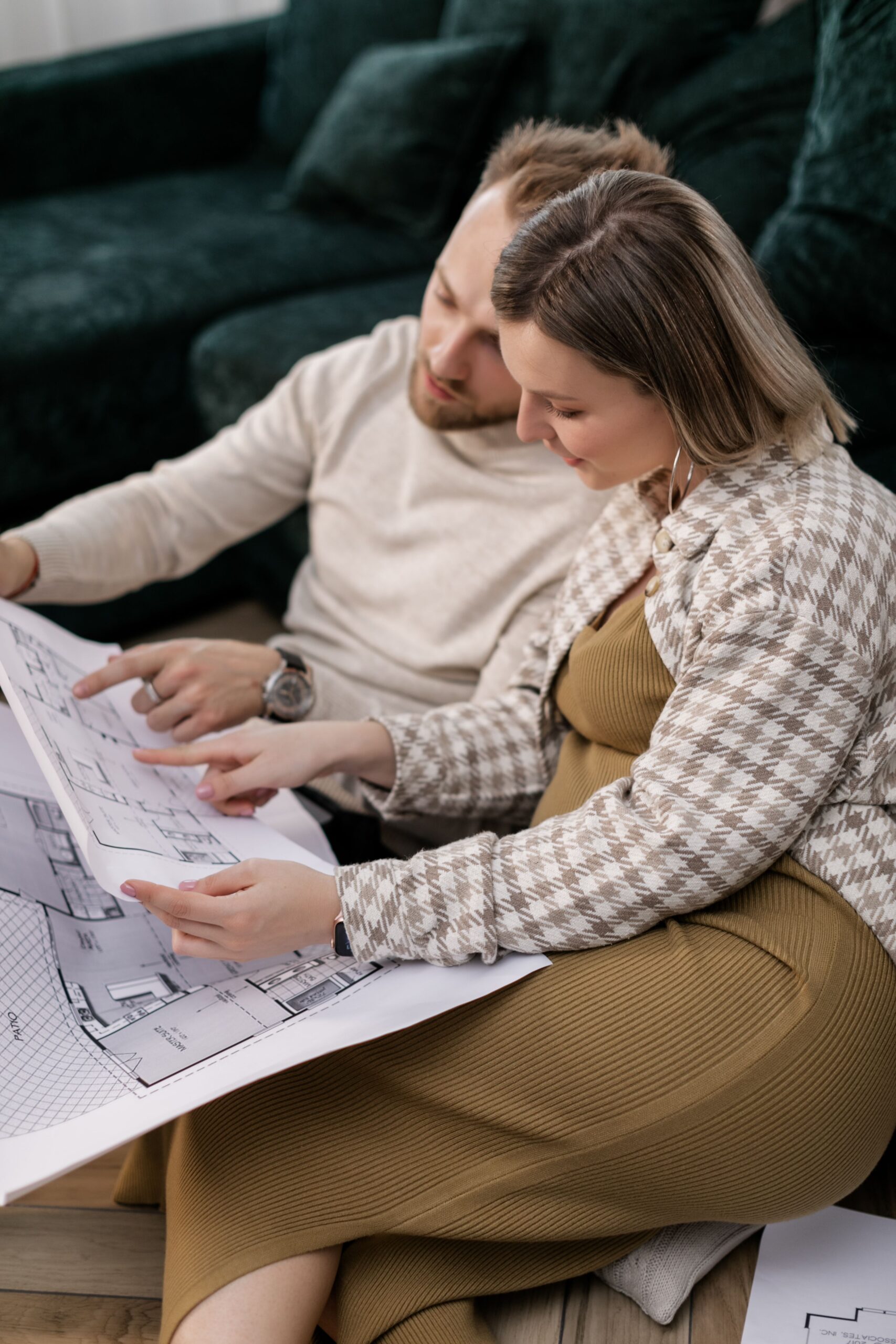
For an unbuilt home, this can include selecting a floor plan, choosing available features and upgrades, and selecting from available lots and communities. Depending on how your builder operates, there may also be a variety of finishes, fixtures, and other home features that can be selected during the building process. It is important to note that most builders do not offer completely custom home design. Instead, buyers generally work within the floor plans, features, and building standards offered by that particular builder. The exact level of customization can vary significantly depending on the builder and when you purchase the home.
What Is an Existing Home?
Existing homes are homes that have already been constructed and may have previously been lived in or owned by another person, with many of their original design and construction choices already in place. The process of buying one generally involves working with the current owner and does not involve the construction time associated with a new build. Because of this, the age and history of the home can be important considerations. Buyers should understand the previous work that has been done, including repairs, maintenance, and renovations.
Unlike a new construction home, you typically have less control over the home’s original shape, layout, and features, but there are still many opportunities to make it your own. Remodeling can change significant parts of an existing home, while smaller decisions like replacing an appliance, repainting a room, or changing the flooring can also give the home a more personal touch.
New Construction vs. Existing Homes: Key Differences
While both new construction and existing homes can be great options, there are some important differences to keep in mind when comparing the two. Costs, customization, maintenance, energy efficiency, warranties, and location can all play a role in deciding which type of home fits your needs and circumstances.
| Factor | New Construction Home | Existing Home |
|---|---|---|
| Cost And Budget | Compare the base price, included features, upgrades, and any additional costs for landscaping or appliances. | Compare the purchase price with any repairs, replacements, or renovations the home may need. |
| Customization | May offer choices in floor plans, finishes, and features, depending on the builder and stage of construction. | The layout and finishes are already established. Changes generally involve updates or remodeling after purchase. |
| Maintenance And Repairs | Starts with new systems and materials, but still requires regular maintenance and may need repairs. | Maintenance needs depend on the home’s condition, previous upkeep, and the age of its roof, appliances, and systems. |
| Energy Efficiency | Newer insulation, windows, HVAC equipment, and appliances can support efficiency. Compare the specific features included. | Efficiency varies with construction, equipment, and past upgrades. Improvements may be possible after purchase. |
| Warranty Coverage | May include builder and manufacturer warranties. Review coverage, duration, exclusions, and the repair request process. | May have transferable warranties or separately purchased home warranty coverage. Confirm what applies to the property. |
| Move-In Timeline | Completed homes may allow a shorter timeline. Homes under construction or yet to be built require time for completion. | Timing depends on inspections, financing, agreed closing terms, and when the seller can provide possession. |
| Location And Community | Choices depend on available homes, lots, and communities. Nearby construction and neighborhood development may continue after move-in. | Buyers can assess the neighborhood’s current homes, landscaping, and amenities, while considering potential future changes. |
Cost and Budget
It is important to keep in mind that the actual purchase price isn’t the only cost to consider. While new construction homes can involve choices such as upgrades, finishes, appliances, and landscaping that affect the final cost, existing homes can have their own immediate expenses depending on their current condition. With new construction, buyers can generally see how their selections and upgrades contribute to the overall price, which can make it easier to understand the expected cost of the home before construction is complete. On the other hand, an existing home may have a more straightforward purchase price, while buyers can plan for future repairs, updates, or improvements based on the home’s condition. Overall, both options can vary significantly in price, and either can be more or less expensive than the other. Factors such as location, size, condition, builder, market conditions, and buyer preferences can all affect the final cost.
Customization and Design
No matter which you choose, both new construction and existing homes offer many opportunities for customization. New construction allows buyers to participate in many of the design decisions before the home is complete. This can include larger choices such as the floor plan, cabinets, countertops, and appliances, as well as smaller details like paint colors, carpet styles, trim, and other new construction home upgrades. The actual degree of customization tends to vary based on the builder, the community and lot you choose, and the home itself.
Existing homes come with an already established overall design, but buyers can still make important decisions that allow the home to feel truly theirs. Repainting can give an otherwise unwanted color palette a new feel, while changing the flooring can help tie rooms and areas together. Buyers can also make larger changes by upgrading or replacing appliances, renovating surfaces and finishes, or even remodeling. These larger projects can change the appearance, function, or layout of the home depending on the scope of the work.
Maintenance and Repairs
When looking at an existing home, it’s important to consider the factors that could affect how much maintenance or how many repairs it might need immediately or in the future. Things like the age of the home and its current condition can greatly change what to expect in terms of costs and maintenance needs. This is not to say that a new construction home will never need repairs or maintenance, but there are different things to keep in mind for both scenarios. An existing home’s history can show you things like:
- The age of the HVAC system
- The condition of the roof
- The age and condition of the plumbing
- The age, condition, and capacity of the electrical system
- The age and condition of appliances
- Previous repairs and renovations
An existing home that has been well taken care of may need relatively little work before you are ready to move in. A brand new home, meanwhile, starts with new systems and materials but will still require regular maintenance and eventual repairs as those systems age. Understanding the expected maintenance needs of either home can help buyers plan for future costs and upkeep.
Energy Efficiency

New construction can give buyers opportunities to incorporate energy-efficient features into a new home. When you decide to construct a new home, there can be a number of options that impact its energy efficiency, such as newer insulation, windows, HVAC systems, and appliances. These features can work together to improve how efficiently a home uses energy while also giving buyers an opportunity to consider efficiency during the design and building process.
Depending on the age of an existing home, these types of features can vary significantly. Knowing when the home was built or when certain systems were installed can be a useful indicator of what to expect from its energy efficiency. Existing homes can also be improved over time through upgrades such as newer windows, insulation, appliances, or HVAC equipment. When comparing the two, it is useful to look at the actual systems and features of each home rather than relying on age alone.
Warranties
A new construction home warranty can provide coverage for a variety of components of a new home. This may include things like workmanship and materials, as well as certain systems within the home. Depending on the builder and warranty, some covered items may be repaired or replaced when they meet the conditions of the warranty. The exact coverage, duration, exclusions, and process for requesting repairs can vary, so buyers should make sure they understand the specifics of their new construction home warranty before purchasing.
Existing homes don’t generally have the same relationship with the original builder, especially if the home is older. However, existing homes can still have transferable warranties, manufacturer warranties for appliances and systems, or home warranty coverage purchased separately. If an existing home has undergone extensive renovation or remodeling, the work may also have its own warranty or coverage. Understanding what warranties are available can help buyers know what is and is not covered after purchasing a home.
Location and Community
Location and community are important considerations for both new construction and existing homes. Factors such as commute times, proximity to schools, local amenities, and the general character of a community can all influence where a buyer chooses to live. These are things that can be evaluated for any home, although the surrounding area may look quite different depending on whether you are buying into an established neighborhood or one of several new construction communities.
When choosing a new construction home, buyers may have the opportunity to select from available lots or communities. This can mean that nearby homes are still being built or that roads, landscaping, and other local features may continue to develop. With an existing home, buyers can see the surrounding neighborhood as it currently exists, including nearby homes, established businesses, and infrastructure. In either case, it is worth remembering that communities can change over time, so the neighborhood you move into may not look exactly the same years later.
How the Buying Process Can Differ
Buying a home will involve many of the same basic steps whether you choose new construction or an existing home. However, the process can look a little different depending on whether you are purchasing a home that is already there or working with a builder to create your new home.
Buying an Existing Home
The home buying process for an existing home generally follows a familiar sequence of steps. The first steps are determining a budget and deciding what is most important to you in a home. From there, you can search and explore available homes, set up property visits or tours, and get a better idea of what is available. If you find a home that feels right, you can make an offer, negotiate the price and terms with the seller, and begin the inspection and due diligence process. After that, you can finalize your financing and complete the remaining paperwork. Once everything is in order, you can close on the home and take possession, making it your own from that point forward.
Buying a New Construction Home
The new home buying process has many similarities, but buying a new construction home shifts more of the process toward working directly with the builder. You’ll still need to establish a budget and determine what you need in a home, but from there you can explore available communities, lots, and floor plans to find the right combination for you. Depending on the builder and stage of construction, you may then make selections for your home before construction begins or while it is underway.
From there, you’ll move through financing and the purchase agreement, finalize your selections, and watch the home progress through construction. As construction nears completion, inspections, walkthroughs, and final preparations help make sure the home is ready for you. Once the process is complete, you can close on your new home and move in.
New Construction and Existing Homes in Twin Falls
When looking at new construction homes in Twin Falls, buyers have the opportunity to consider both newly developing communities and the many existing neighborhoods throughout the area. Existing homes can offer the chance to see an established community, nearby homes, businesses, and infrastructure as they currently are. New construction can provide a different experience, with buyers able to consider the available options for where and how they want their new home to fit into the area.
For those interested in new construction, one of the first steps is exploring the different communities available in the Twin Falls area. Each community can offer its own location, surroundings, and selection of homes, making it useful to consider what fits your needs before moving further into the buying process.
Once you have an idea of which community may be right for you, you can begin looking through the available homes and seeing what is currently being offered. This can be especially helpful for buyers who are looking for a home that is already completed or further along in the construction process, while those with more flexibility may have additional opportunities to participate in the building process.
Another important part of choosing a new construction home is finding a floor plan that fits the way you want to use your home. Looking through the available floor plans can help you compare layouts, sizes, and the different ways a home can be organized before making a decision.
Twin Falls also offers plenty to consider outside of the home itself, from established local areas to parks, attractions, businesses, and other amenities. Learn more about things to do and attractions in Twin Falls. Taking some time to understand the area around a potential home can be just as useful as looking at the home itself, especially when thinking about where you want to live for years to come.
Whether you are considering an existing home or looking into new construction, the right choice ultimately depends on what you value most in your home, community, budget, and future plans. For buyers interested in new construction, Wolverton Homes provides an opportunity to explore available communities, homes, and floor plans throughout the Twin Falls area.